
East Texas Humidity Is Not Your Friend: How to Keep Your Home Comfortable This Summer

Why Humidity Hits Harder in Tyler and East Texas

By mid-July, most Tyler homeowners have stopped talking about the heat and started talking about how it feels. It is not just hot outside. It is heavy. Sticky. The kind of air that makes 88 degrees feel closer to 100, and the kind of air that keeps working its way into your home no matter how hard your AC runs.

That is humidity, and in East Texas it is doing more to your comfort, your energy bill, and your home itself than most people realize. Here is what is actually happening, how to spot the warning signs, and what can be done about it before August makes everything worse.

Texas is a big state, and not all of it deals with humidity the same way. West Texas is dry heat. Tyler and the rest of East Texas sit close enough to the Gulf that summer air carries significant moisture along with the heat, and that combination is what makes July and August here feel so much more oppressive than the thermometer alone would suggest.

Your body cools itself through evaporation. Sweat needs dry air to evaporate efficiently. When the air is already saturated with moisture, sweat sits on your skin instead of evaporating, and your internal cooling system stops working the way it is supposed to. That is why a humid 88-degree day in Tyler can feel more uncomfortable than a dry 95-degree day somewhere else.

Your house has the same problem your body does, just less obviously.

How Humidity Overworks Your AC System

Central air conditioning removes both heat and moisture from your indoor air, but it was never designed to be your primary dehumidifier. Cooling is the main job. Moisture removal happens as a byproduct of that process, and in a normal, moderately humid climate, that byproduct is usually enough.

East Texas summers push past normal. When humidity levels climb into the range they regularly hit here, a standard AC system has to run longer just to pull enough moisture out of the air to keep things comfortable, on top of the cooling it is already working hard to deliver. That extra runtime shows up in two places: your electric bill and the wear on your equipment.

This is part of why a correctly sized, well-maintained system matters so much in this region specifically. A system that is even slightly oversized for your home will cool the air quickly, shut off before it has run long enough to remove adequate moisture, and leave your home feeling cold and clammy at the same time. That combination, cold and damp, is one of the clearest signs a humidity problem is present.

Signs Humidity Is a Problem in Your Home

Some of these are obvious. Others build slowly enough that homeowners get used to them before realizing something is actually wrong.

Musty Odors or Visible Mold

A musty smell in closets, bathrooms, or basements is one of the most reliable indicators of excess indoor humidity. Mold and mildew need moisture to grow, and East Texas summers provide plenty of it. If you are noticing this smell in rooms that seem otherwise clean, humidity is very likely the underlying cause.

Condensation on Windows and Ducts

Sweating windows, damp spots around window frames, or moisture beading on ductwork all point to the same issue. The air inside your home is holding more moisture than it should, and it is finding cool surfaces to condense on.

A Home That Feels Cold and Damp at the Same Time

If your thermostat says 72 degrees but the house still feels uncomfortable, sticky, or clammy, the temperature is not the problem. The moisture content of the air is. This is one of the most common complaints Evans Air hears from Tyler homeowners during peak summer, and it almost always traces back to humidity rather than a cooling failure.

Warped Wood, Peeling Paint, or Swollen Doors

Wood absorbs and releases moisture from the air around it. Doors that used to close easily but now stick, trim that has started to warp, or paint that is bubbling and peeling are signs that humidity has been elevated in your home for a while, not just on an especially bad week.

What Actually Controls Humidity, and What Doesn’t

Your AC Alone Often Isn’t Enough

A standard central AC system helps, but during peak East Texas humidity, help is not the same as solving the problem. If your system is undersized, aging, or simply not built to handle the moisture load your home is dealing with, you can run it constantly and still feel damp indoors.

Regular AC maintenance matters more in a humid climate than a dry one. A system with a dirty coil, low refrigerant, or restricted airflow loses moisture-removal capacity even faster than it loses cooling capacity, which means humidity problems are often the first symptom of a system that needs attention.

A Correctly Sized System Changes the Equation

One of the most overlooked factors in humidity control is proper system sizing. A system that is too large for a home cools fast and shuts off quickly, without running long enough to adequately dehumidify. This is a common issue in homes that have had systems replaced without a proper load calculation. If you are considering an AC installation or replacement, correct sizing should be part of that conversation, not an afterthought.

Ductless Mini-Splits Handle Humidity Differently

For additions, garages, sunrooms, or homes with rooms that never seem to feel right no matter what the rest of the house is set to, ductless mini-split systems often manage humidity more effectively than a central system stretched to cover an odd space. They run longer at lower speeds in many cases, which improves moisture removal in the specific area they are conditioning.

Indoor Air Quality Solutions Address What Humidity Leaves Behind

Once humidity has been sitting in a home for a while, it does not just disappear when the moisture level drops. Mold spores, mildew, and musty odors can linger. This is where indoor air quality solutions come in, including UV air purifier systems that target the biological growth humidity leaves behind rather than just the moisture itself. Evans Air currently offers $100 off a UV air purifier system for homeowners dealing with this exact issue.

A Smart Thermostat Can Help You Track It

Many modern thermostats display indoor humidity percentage alongside temperature, which gives you an actual number to watch instead of relying on how a room feels. Indoor humidity between 30 and 50 percent is generally considered comfortable. If yours is regularly reading above that during summer, it is worth having a technician take a closer look at your system.

When to Call Someone About It

A little humidity discomfort during the hottest weeks of summer is normal in East Texas. Persistent dampness, musty smells that will not go away, visible condensation, or a home that never quite feels comfortable despite a working AC system are not things to just live with through August.

Evans Air Conditioning has been serving Tyler, Longview, Lindale, Bullard, and the surrounding East Texas area since 1978, and humidity-related comfort issues are one of the most common calls we get every summer. A technician can evaluate whether the issue is your system’s capacity, its sizing, an airflow restriction, or an indoor air quality concern, and walk you through what actually fixes it rather than just masking it for a few days.

Start With an Honest Look at Your System

If your home has felt sticky, damp, or musty despite a working AC, the $49 HVAC Tune-Up and Safety Check is a low-cost way to find out whether your system is keeping up with East Texas humidity the way it should be.

Call 903-993-4779 to schedule a visit, or use the form below to request an appointment and a member of the Evans team will confirm your arrival window.
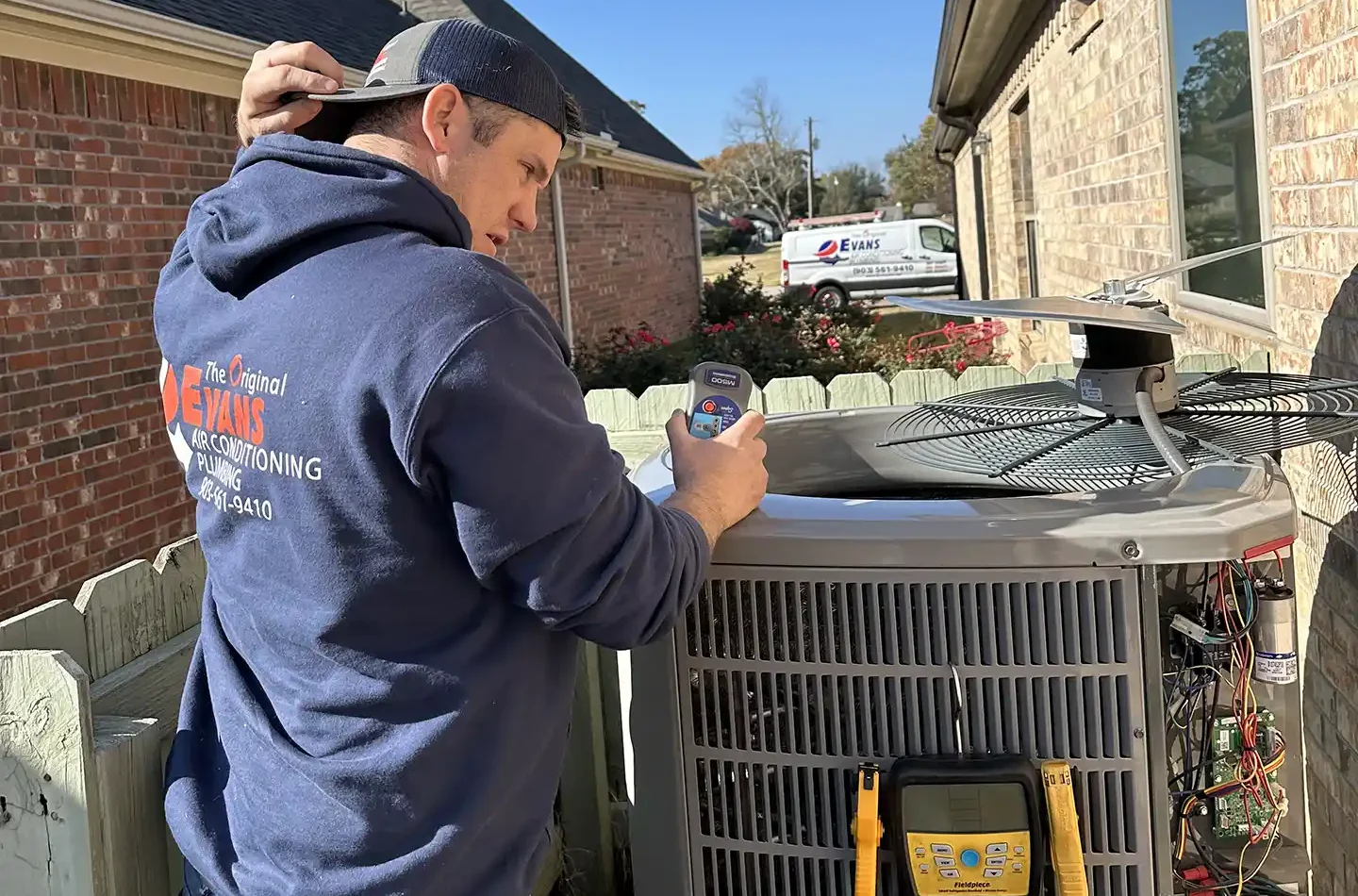
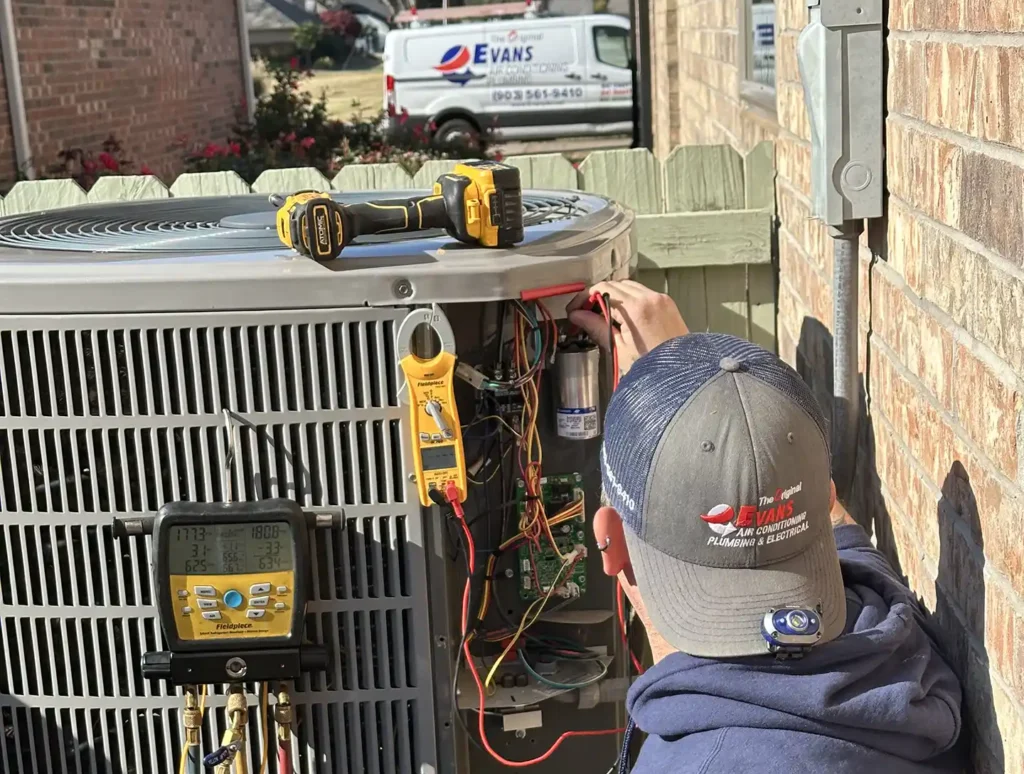
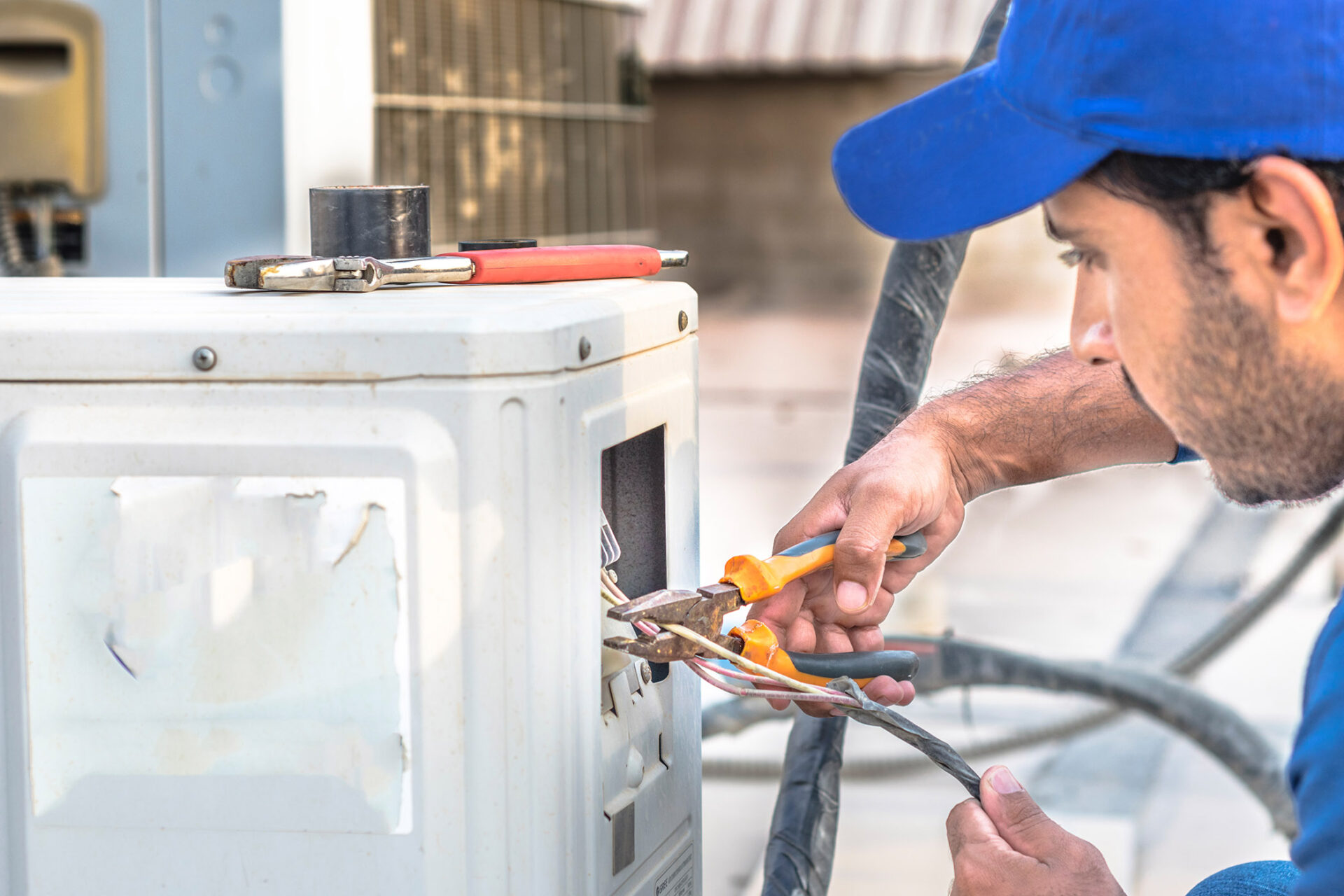
technician working on an ac repair in company uniform

Repair or Replace? How to Decide When Your Tyler AC Breaks Down This Summer

Your AC stopped working. It’s June in East Texas. The house is already 80 degrees and climbing, and you’re on the phone trying to figure out whether you’re looking at a repair bill or a full system replacement.

This is one of the most stressful calls a homeowner makes and one of the most common ones Evans Air Conditioning has fielded since 1978. The pressure to decide fast is real. So is the pressure not to throw good money after bad. This guide walks you through exactly how to think through that decision, so you’re not making a major financial choice in a panic.

The First Thing to Know About AC Repair vs. Replace: There’s No Universal Answer

Repair or replace isn’t a one-size answer. It depends on your system’s age, the nature of the failure, your energy bills, and what a replacement would actually cost you after financing. Any technician who tells you to replace without walking you through the math isn’t giving you advice, they’re giving you a sales pitch. And any technician who patches every broken system without flagging when it’s past its useful life isn’t doing you any favors either.

Here’s a framework that cuts through the noise.

The Age-Times-Cost Rule

The most practical starting point for this decision is a simple calculation: multiply the repair cost by the system’s age in years. If that number exceeds $5,000, replacement is almost always the smarter financial move.

Example: Your system is 12 years old and the repair quote is $600. 12 × $600 = $7,200. That math says replace.

Flip it: Your system is 4 years old and the quote is $400. 4 × $400 = $1,600. That math says repair.

This isn’t a law, it’s a filter. It helps you stop weighing a repair quote against a replacement quote on gut feeling alone. Pair it with the factors below and you’ll have a much clearer picture.

When the Repair Is Almost Always Worth It

Not every breakdown is a death sentence for your system. There are situations where paying for the repair is the obvious call.

The system is less than 8 years old. A properly maintained AC system should run 15–20 years. If yours is mid-life and the failure isn’t catastrophic, repair is usually the right move. You’re not near the end of its useful life, you just hit a bump.

The failure is mechanical and isolated. Capacitors, contactors, fan motors, and drain lines all fail at some point. These are routine repairs. They don’t signal the rest of the system is about to collapse. If a technician identifies a single failed component with no other underlying issues, a repair buys you real time.

You recently made a major upgrade. If you replaced a coil, upgraded a refrigerant system, or installed a new air handler in the last two to three years, you have equity in that equipment. Abandoning it prematurely rarely makes financial sense.

When Replacement Is the Smarter Move

There are specific situations where repair is actually the expensive option even when the quote looks smaller up front.

Your System Is 10 Years Old or More

The average central AC system in East Texas runs hard. Humidity, heat load, and long cooling seasons all shorten equipment life. Once you’re past the 10-year mark, every repair you make is buying time on borrowed equipment. The $600 fix this summer might be followed by a $900 fix next summer and a compressor failure the year after that.

A new, properly sized system also delivers meaningfully better efficiency. Today’s higher-SEER equipment can reduce energy consumption by 20–40% compared to older units and in a Tyler summer, that shows up on your electric bill every single month.

You’re Dealing with a Refrigerant Issue

If your system runs on R-22 refrigerant common in units installed before 2010 you’re in a difficult position. R-22 has been phased out under federal EPA regulations and is no longer manufactured in the U.S. What remains in the supply chain is expensive. Recharging an aging R-22 system can cost significantly more than it once did, and it doesn’t fix the underlying leak. You’re paying to delay the inevitable.

Systems running R-410A are a different conversation. If one of those is leaking, you’re looking at a repair discussion — not an automatic replacement.

You’ve Had Multiple Repairs in the Last Two Years

A system that has required two or more service calls for different issues in a 24-month window is telling you something. It’s not bad luck — it’s wear. When multiple components start failing in sequence, the compressor is usually next. A compressor replacement on an older system often costs more than a new system financed over several years.

Your Energy Bills Keep Climbing Without Explanation

If your electric bill has crept up year over year — and your usage habits haven’t changed — your system is losing efficiency. It’s working harder to deliver the same cooling. A new system pays for itself faster than most homeowners expect when the efficiency gap is wide enough.

What Replacement Actually Costs — and Why Financing Changes the Calculation

Sticker shock is the main reason homeowners talk themselves into one more repair. When the repair quote is a few hundred dollars and the replacement quote is several thousand, the repair looks like the obvious choice. But that framing ignores one important variable: financing.

Most central AC replacements in the East Texas market fall somewhere between $6,000 and $14,000, depending on system size, efficiency rating, the brand of equipment, and whether any ductwork modifications are involved. That range is wide on purpose — a straightforward swap in a smaller home looks very different from a full system upgrade in a larger one.

Evans Air Conditioning currently offers $0 down, 0% financing for up to 72 months through Service Finance Company and Wells Fargo. When you spread a replacement across a low-interest payment plan, the monthly cost is often partially offset by the energy savings a newer, more efficient system delivers. A repair that buys 12 more months on a failing system may end up costing more in the long run than a manageable monthly payment on equipment that will run reliably for the next 15 to 20 years.

Run both numbers before you commit either direction. You can review current financing options and any active promotions on the Evans Specials page before your technician arrives.

The Honest Conversation Evans Has Been Having Since 1978

Evans Air Conditioning has served Tyler and East Texas for over 45 years. In that time, we’ve seen what happens when homeowners patch systems well past their useful life — and what happens when a household replaces equipment five years too early.

Our recommendation is never based on what generates the larger ticket. It’s based on what makes sense for your home, your budget, and how long you plan to stay in the house. A homeowner selling in 18 months has different math than a family planning to be there for the next 15 years.

When an Evans technician arrives, they’ll give you a straight breakdown: what failed, what’s at risk of failing next, what a repair costs, and what a comparable replacement system costs on a monthly payment. Then it’s your decision — made with full information, not pressure.

With more than 2,500 five-star reviews from Tyler and East Texas homeowners, that approach has served our customers well for decades.

What to Do Right Now

If your AC has stopped working or isn’t cooling the way it should, don’t wait it out. July and August in Tyler are unforgiving, and systems that are struggling in June tend to fail completely when the temperature peaks.

Call 903-993-4779 — Evans serves Tyler, Longview, and the surrounding East Texas area and can typically dispatch a technician same day or next day during peak season.

Not sure if you’re at failure yet? An HVAC Tune-Up and Safety Check is a low-cost way to get a full picture of your system’s health before anything fails completely — including an honest read on how much useful life your equipment has left.

Either way, you’ll leave the conversation knowing exactly where you stand.

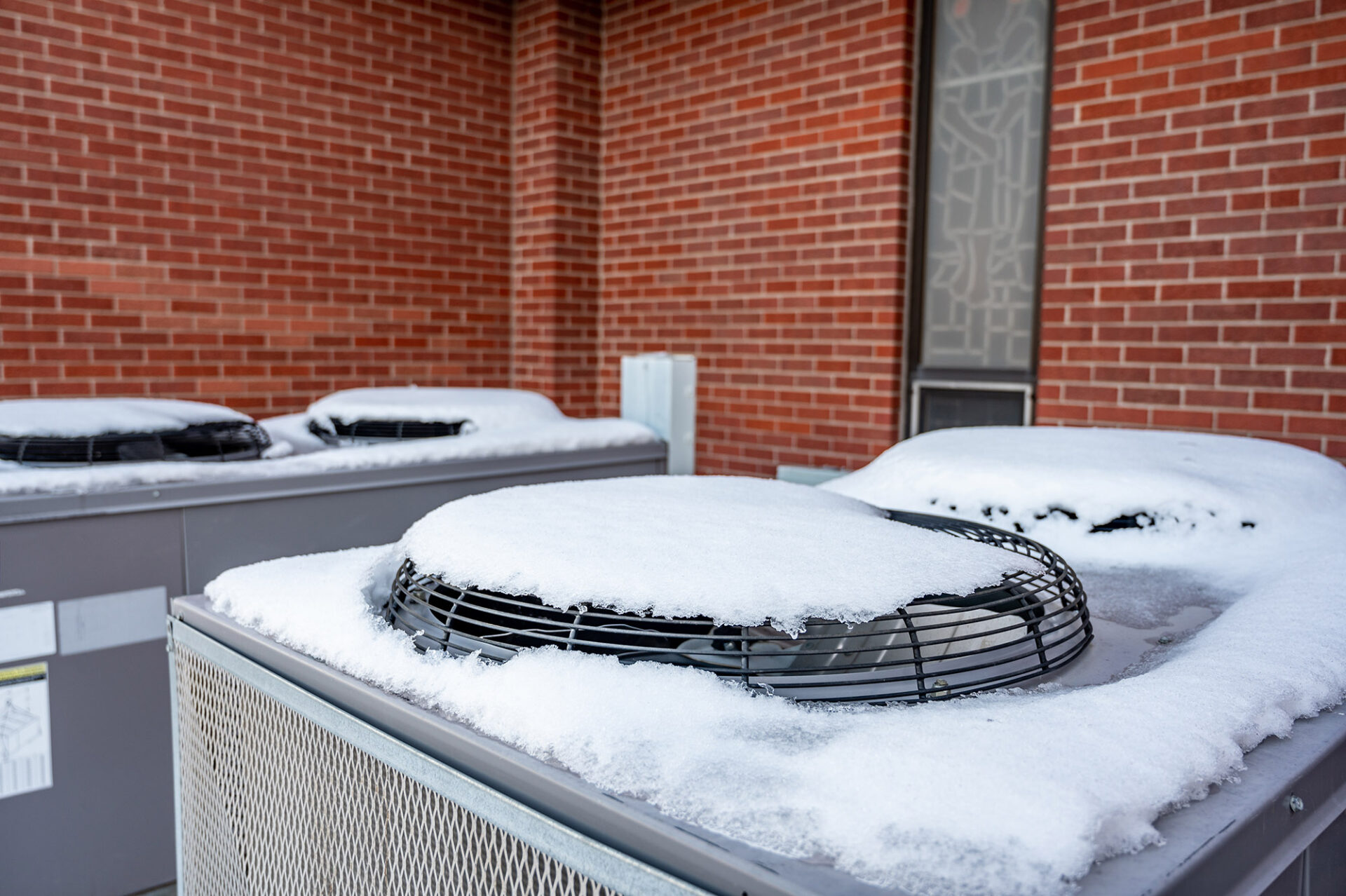
emergency ac repair tyler tx - evans air

Why Your AC Fails in Tyler’s Heat—And How to Prevent It

Living in Tyler, TX, means dealing with scorching summers, high humidity, and unpredictable weather. If your air conditioner always seems to fail when you need it most, you’re not alone. The combination of extreme temperatures and heavy system usage can lead to unexpected breakdowns, leaving you searching for emergency AC repair. Let’s explore why your AC struggles in this climate and how you can prevent costly repairs before they happen.

Why Does Your AC Struggle in Tyler’s Climate?

Tyler’s climate presents unique challenges for HVAC systems. Here’s why your AC may be more prone to breakdowns:

  1. Extreme Heat Overloads the System – With summer temperatures often exceeding 100°F, your AC runs constantly, leading to overheating and worn-out components.
  2. High Humidity Increases Strain – Excess moisture in the air forces your AC to work harder to remove humidity, making it less efficient and more likely to break down.
  3. Dirty Air Filters and Coils – Pollen, dust, and debris build up quickly in East Texas, restricting airflow and reducing cooling efficiency.
  4. Frequent Power Surges – Thunderstorms and sudden power fluctuations can damage electrical components in your HVAC system.
  5. Aging or Improperly Sized Systems – If your AC is too old or not the right size for your home, it may struggle to keep up with the cooling demand, leading to frequent malfunctions.

How to Prevent AC Breakdowns in Tyler’s Heat

Texas summers are tough, but you can take steps to keep your AC running efficiently and avoid emergency repairs.

1. Schedule Regular AC Maintenance

Routine maintenance is essential in Tyler’s climate. Professional tune-ups include cleaning coils, checking refrigerant levels, and inspecting components for wear and tear. The Original Evans Air provides expert maintenance services to ensure your system runs smoothly all year long.

2. Change Air Filters Frequently

With high pollen and dust levels in East Texas, air filters clog quickly. Replace them every 1-2 months to maintain proper airflow and prevent system strain.

3. Install a Smart Thermostat

A programmable thermostat helps regulate cooling schedules, preventing overuse and reducing system stress, leading to improved efficiency and lower energy bills.

4. Protect Against Power Surges

Install surge protectors to safeguard your HVAC system from electrical damage caused by thunderstorms and grid fluctuations.

5. Keep the Outdoor Unit Clean

Ensure your condenser unit is free of debris, leaves, and dirt to allow for proper ventilation and improved efficiency.

6. Don’t Ignore Warning Signs

If your AC is making unusual noises, failing to cool properly, or cycling on and off frequently, call The Original Evans Air at (903) 993-4779 before a minor issue turns into a costly emergency repair.

7. Consider Upgrading Your System

If your AC is over 10 years old and frequently requires repairs, upgrading to a high-efficiency model can save you money and provide better performance in Tyler’s demanding climate.

Trust The Original Evans Air for Reliable AC Service

At The Original Evans Air, we understand the challenges of keeping homes cool in Tyler’s extreme climate. That’s why we offer expert HVAC repair, maintenance, and installation services to homeowners in Tyler, Flint, Bullard, Lindale, and surrounding areas.

If you need emergency AC repair or want to schedule a maintenance check, call us at (903) 993-4779 or conveniently request an appointment online today. Stay cool and comfortable, no matter the season!

February AC Tune Up - Evans Air, Tyler, TX

Why February is the Best Time for an AC System Tune-Up

As February brings mild temperatures to Tyler, Flint, Bullard, Lindale, and the surrounding areas, it’s the perfect time to prepare your air conditioning system for the hot Texas summer ahead. Scheduling an AC system tune-up with The Original Evans Air ensures your system is running efficiently, preventing breakdowns, and keeping your home comfortable when temperatures start to soar.


Why February is Best for an AC Tune-Up | Evans Air

  1. Beat the Springtime Rush
    Spring is a peak season for HVAC service calls, making it harder to schedule a last-minute appointment. By scheduling your tune-up in February, you can avoid long wait times and get your system serviced quickly.
  2. Improve Energy Efficiency
    A well-maintained AC unit runs more efficiently, helping to lower energy bills while keeping your home cool. Evans Air’s experienced technicians will inspect, clean, and fine-tune your system to optimize performance.
  3. Prevent Costly Repairs
    Small AC issues can become expensive repairs if left unattended. A professional tune-up allows technicians to catch and fix minor problems before they lead to system failures.
  4. Extend the Lifespan of Your AC System
    Regular maintenance reduces strain on your system, helping it last longer and delaying the need for a costly replacement.
  5. Enhance Indoor Air Quality
    Over time, dust, dirt, and allergens can accumulate in your AC system. A tune-up includes cleaning components that help improve your home’s air quality, keeping your family healthier.

Why Choose The Original Evans Air?

At The Original Evans Air, we take pride in providing top-quality HVAC and plumbing services with a focus on reliability and customer satisfaction. Our skilled technicians offer professional service, upfront pricing, and expert workmanship to ensure your system operates at its best. Whether you need routine maintenance, repairs, or a full system replacement, you can trust Evans Air to keep your home comfortable and efficient year-round.


Schedule Your AC Tune-Up Today

Don’t wait until summer to ensure your air conditioning system is ready to handle the Texas heat. Call The Original Evans Air at (903) 993-4779 or request your appointment online to schedule your AC system tune-up this February. Let us help you stay cool and comfortable all season long!

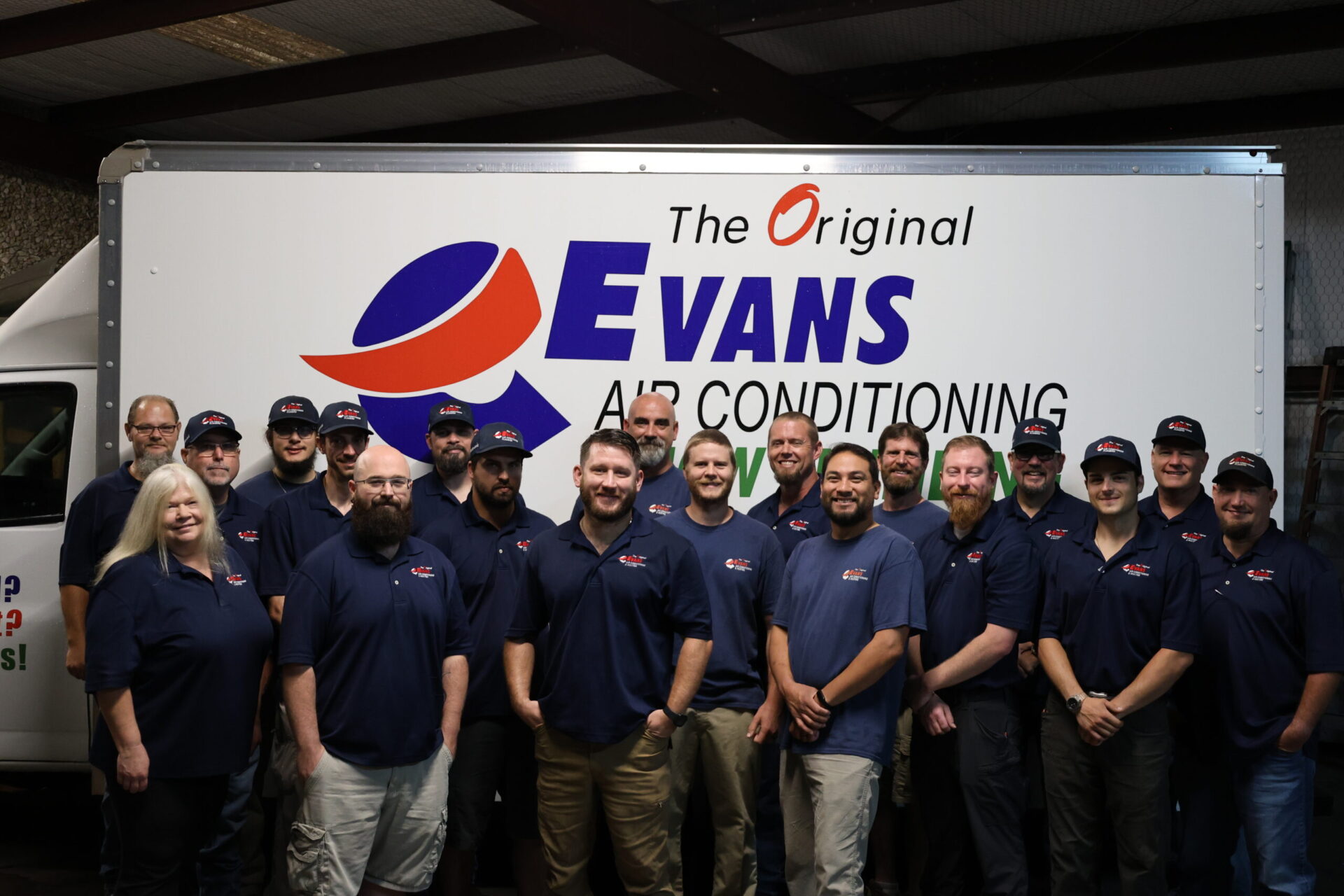
Evans Air team standing in front of an Evans Air Conditioning box truck

Evans Air Conditioning, Plumbing & Electrical: New Website, Same Great Service

We are thrilled to announce the launch of our brand-new website for Evans Air Conditioning, Plumbing & Electrical! Our goal with this new site is to provide our customers with an easier way to learn about our services and connect with us. Whether you’re in Tyler, Bullard, Whitehouse, Lindale, or Jacksonville, our new online presence is designed with you in mind.

What’s New?

New Website and Same Great Local Service | Evans Air

1. Comprehensive Service Information: Learn more about our HVAC and plumbing services, all in one place. Detailed service pages provide insights into how we can help keep your home comfortable and safe.

2. Easy Scheduling: Our new site includes an easy-to-use scheduling tool, allowing you to book appointments with our licensed technicians at your convenience.

3. Special Offers: Check out our latest special offers and discounts to save on your next service call.

4. Blog and Resources: Stay informed with our new blog section, where we will regularly post helpful tips, industry news, and updates about our services.

5. Contact and Support: With our updated contact forms and clear contact information, getting in touch with us has never been simpler. Whether you need emergency service or a routine check-up, we are here to help.

Serving Our Community Better

Our commitment to the communities of Tyler, Bullard, Whitehouse, Lindale, and Jacksonville remains stronger than ever. We designed this website to better serve you, ensuring that all the information you need about our HVAC and plumbing services is easily accessible.

Explore Our New Website Today!

We invite you to explore our new website and discover all the ways Evans Air Conditioning, Plumbing & Electrical can assist you. Your feedback is invaluable to us, so please let us know what you think about the new site and how we can continue to improve.

Thank you for your continued trust and support. We look forward to serving you with the same dedication and excellence that have defined our company since 1978.

Visit us at www.evansairplumbing.com and stay connected!

Sincerely,

Evans Air Conditioning, Plumbing & Electrical Team